Bookkeeping & Record Keeping Requirements for UK Limited Companies
Accurate bookkeeping and record keeping are essential for preparing correct year-end accounts, calculating Corporation Tax accurately, and remaining compliant with HMRC requirements. Poor bookkeeping can lead to errors, missed allowances, and unnecessary tax risks.
As ACCA-qualified UK online accountants, we help limited companies maintain accurate digital records throughout the year.
Accurate records are essential for:
Accurate records are essential for:
- Correct accounts
- Accurate CT600 calculations
- Avoiding HMRC penalties
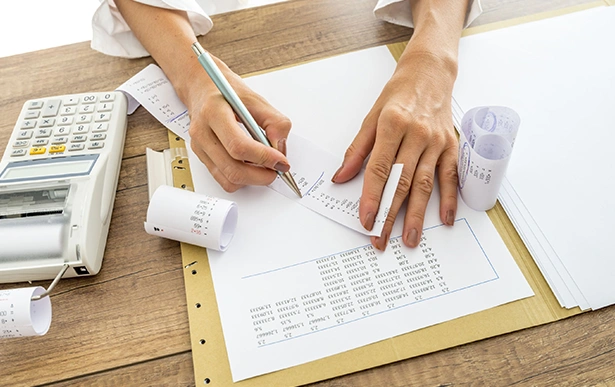

What Business Records Limited Companies Must Keep
- Invoices
- Receipts
- Bank statements
- Payroll records
- VAT records
- Mileage logs
- Asset purchases
Keeping organised and accurate records helps ensure your accounts and Corporation Tax returns are prepared correctly.

Common Bookkeeping Errors
- Miscategorised expenses
- Missing invoices
- Duplicated entries
- Incorrect VAT treatment
These issues can result in incorrect Corporation Tax calculations, VAT errors, and HMRC compliance risks.
HMRC Retention Periods
Keep records for 6 years.

Digital Record Keeping & Making Tax Digital (MTD)
- Digital record keeping is increasingly important under Making Tax Digital (MTD) requirements.
How RAIMS Adds Value Beyond Bookkeeping
Accurate bookkeeping is only part of the picture. Professional review helps identify inconsistencies, reduce errors and ensure your financial records support accurate year-end accounts, tax returns and informed business decisions.
- Proactive Review
We review your bookkeeping throughout the year rather than simply processing transactions, helping identify potential issues before they affect your accounts.
- Better Financial Visibility
Well-maintained bookkeeping provides a clearer understanding of business performance, supporting informed commercial and financial decisions.
- Smoother Year-End Process
Accurate records reduce the time required to prepare annual accounts and tax returns, helping avoid unnecessary delays at year end.
- Ongoing Professional Support
Questions don’t always arise at year end. We’re available throughout the year to provide practical bookkeeping advice whenever it’s needed.
The FAQs below cover some of the most common bookkeeping and record-keeping questions asked by limited companies.
Frequently Asked Questions About Bookkeeping & Record Keeping
What bookkeeping records do limited companies need to keep?
Limited companies must keep accurate business records including invoices, receipts, bank statements, payroll records, VAT records, mileage logs, asset purchase records, and details of business expenses. These records support year-end accounts and Corporation Tax calculations.
How long must company records be retained?
HMRC generally requires limited companies to keep accounting and tax records for at least 6 years. Some records may need to be retained longer depending on the nature of the transaction or company circumstances.
Can poor bookkeeping affect Corporation Tax?
Yes — in some cases, dividends can be used to reduce or clear an overdrawn Director’s Loan Account. However, dividends must be legally declared and supported by sufficient company profits. Incorrect dividend planning can create further tax or compliance issues.
What happens if bookkeeping records are inaccurate?
Inaccurate bookkeeping can result in incorrect accounts, VAT errors, cash flow problems, and HMRC compliance issues. It may also affect business decision-making and increase the likelihood of penalties or additional tax liabilities.
Is digital bookkeeping mandatory for limited companies?
Digital bookkeeping is becoming increasingly important under Making Tax Digital (MTD) requirements. Using cloud-based accounting software helps businesses maintain accurate records, improve efficiency, and simplify HMRC reporting obligations.
Can accountants correct bookkeeping mistakes before year-end accounts are filed?
Yes — bookkeeping errors can often be identified and corrected before preparing statutory accounts and CT600 filings. Regular bookkeeping reviews help ensure records remain accurate and compliant throughout the year.
Accurate bookkeeping forms the foundation of compliant accounts, reliable tax reporting, and effective business decision-making.
Supporting limited companies across the UK with fully online bookkeeping, accounting, and Corporation Tax support.
Ready to Take Control of Your Finances?
Speak with our experts and get clear, actionable insights tailored to your business.